

I Turn 30 Tomorrow, So Sped Is About To Become Even Better


Holy cow, where did the time go? It’s like I blinked and suddenly I’m not waiting in line to get the Covid shot for the first time, I’m working on growing my freelance career to turn it into something of a permanent thing, not just whatever I was working on the side.
Among the changes I’m making in life includes something of a revamp for Sped. I know, you read this and you’ve seen it before – my desire to turn this delightful Substack into something greater, where there’s posts everyday, merch, and maybe a YouTube channel where you see my face plastered with a permanent smile because I’m driving my dream cars and sharing the joy with you.
The ambition hasn’t changed. What is changing is my dedication to this blog because I am in a place where I can commit more time to it. And hopefully I can start to bring merch to the table and elevate the brand toward the point where it becomes a household name.
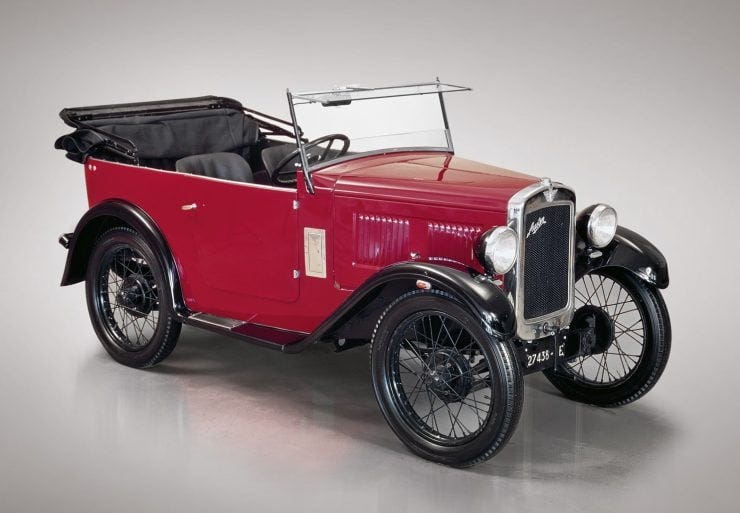
The day before the big three-oh has brought inspiration, and it comes in the form of the Austin Seven, an automobile that has lived in my head rent-free as of late.
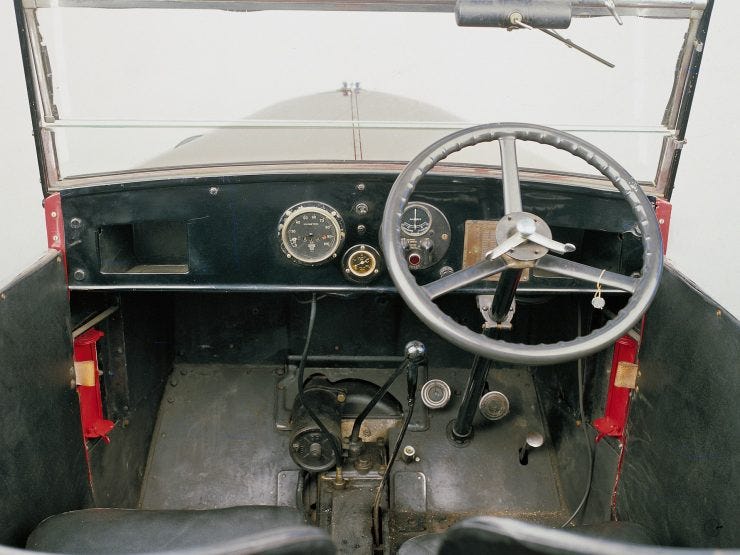
The reason for this is because the Seven unintentionally became the template for what is expected in a modern car. It’s solely responsible for coming equipped with conventional pedals, a shifter located in the center, the instrument panel showing your speed, oil temperature and the like, and the ignition. Having launched in 1922, there wasn’t any regulation implemented in the U.K., the little Austin being British, saying this was to be required in cars going forward. What happened became the greatest snowball effect ever to occur in automotive history.
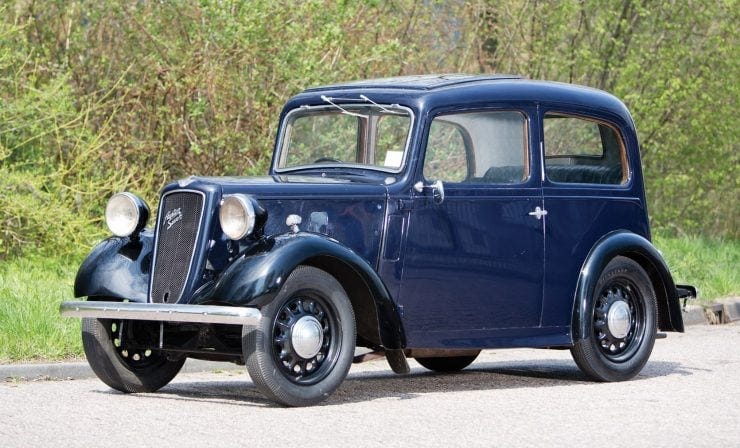
This is because shortly after its debut, the chassis was embraced by coach builders in Australia for customer cars, birthing at least one company we know today as Holden. Before the 1930s, newcomers had begun to license it as a soft launch for the respective brands. Believe it or not, the world’s first BMW, Jaguar, Lotus, Jeep, and Datsun (Nissan today) models were an Austin Seven.
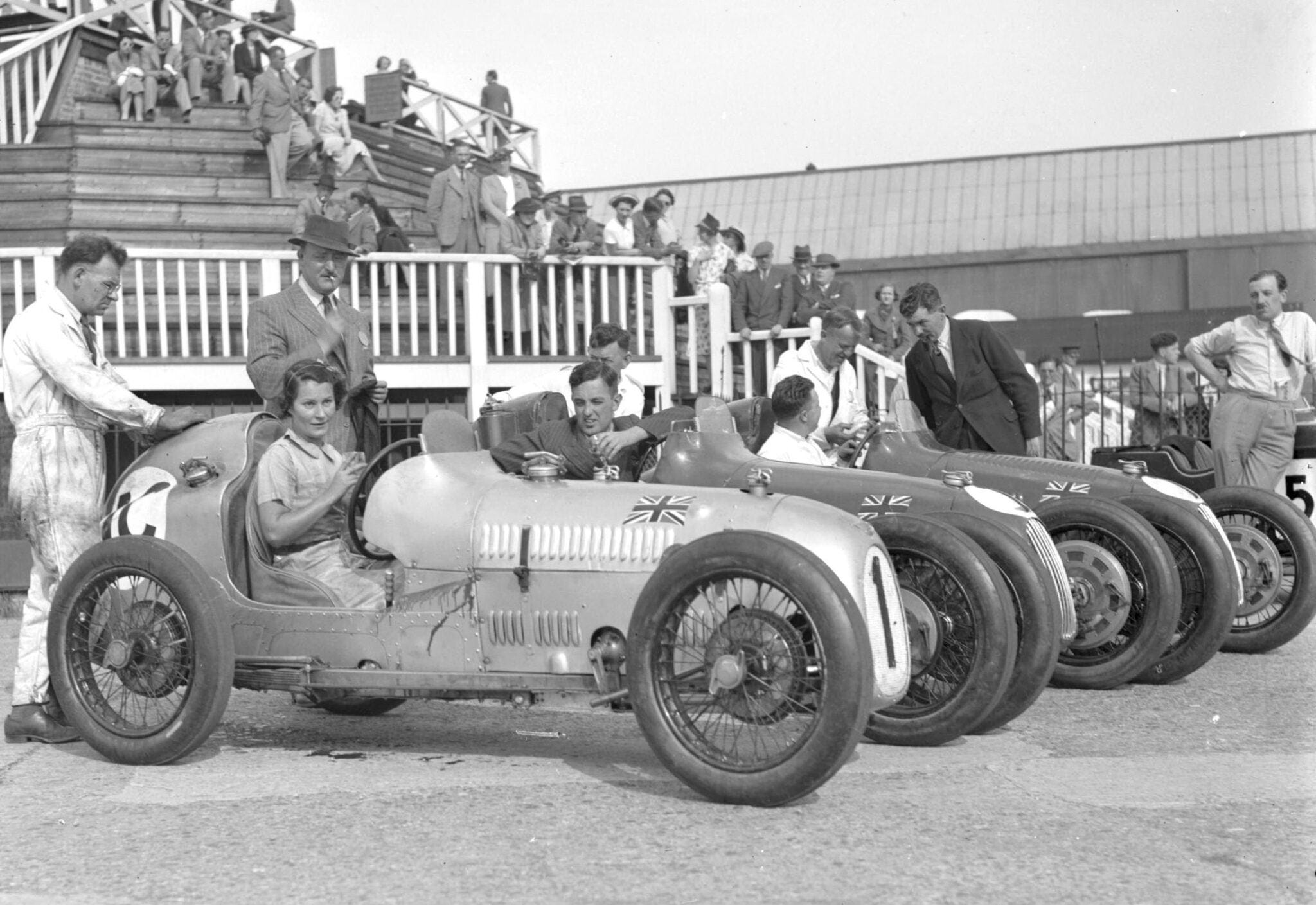
Through production and after it ended in 1939, the Seven continued to serve demand through official and unofficial channels. It continued to be built across the Channel in France, as well as nearby Germany and Japan. After the second World War, it began to use a hodgepodge of parts as any car company worth its salt – too many to count and I intend to do a deep dive – used the Austin Seven as the basis for commuting transport and racing aspirations.
The key? Access. Sir Herbert Austin was in charge of a growing company just as cars were beginning to come into popularity. It was no longer an experiment, a social debate between horse and carriage. The novelty of driving yourself, or to be driven somewhere, at speed was becoming the norm.
Sevens were built in multiple configurations from racing cars to pickup trucks. The chassis being virtually interchangeable with whatever body you chose to tack on top lent to its popularity.
Although he died before its peak, Sir Austin is credited for spurring the entire British industry post war. His name is attached to the long-awaited replacement to the Seven, known as the A30. The first Minis of the late 1950s were officially called Austin Sevens as a direct successor before the Mini name stuck. Its designer was confident that the Mini was going to be the next big thing in mass transportation and he was right.
Of course, the original Seven didn’t come into demand because of its now-conventional cabin. It had blistering performance for the era, employing four-cylinder power as standard to give it more gusto. Power ranged from 10 to 17 horsepower for the base Sevens, while performance models delivered the full monty to get the Seven up to highway speeds! Bare in mind, this was before the integration of the interstate highway system so the sky was the limit. Turns out 23 horsepower could give you God-like abilities a hundred years ago.
Austin also pioneered the synchromesh transmission later in the Seven’s production run. This allows for smoother gear changes which in turn enables greater confidence in driving. The Seven could then be pitched to women in an early portrayal of feminism.
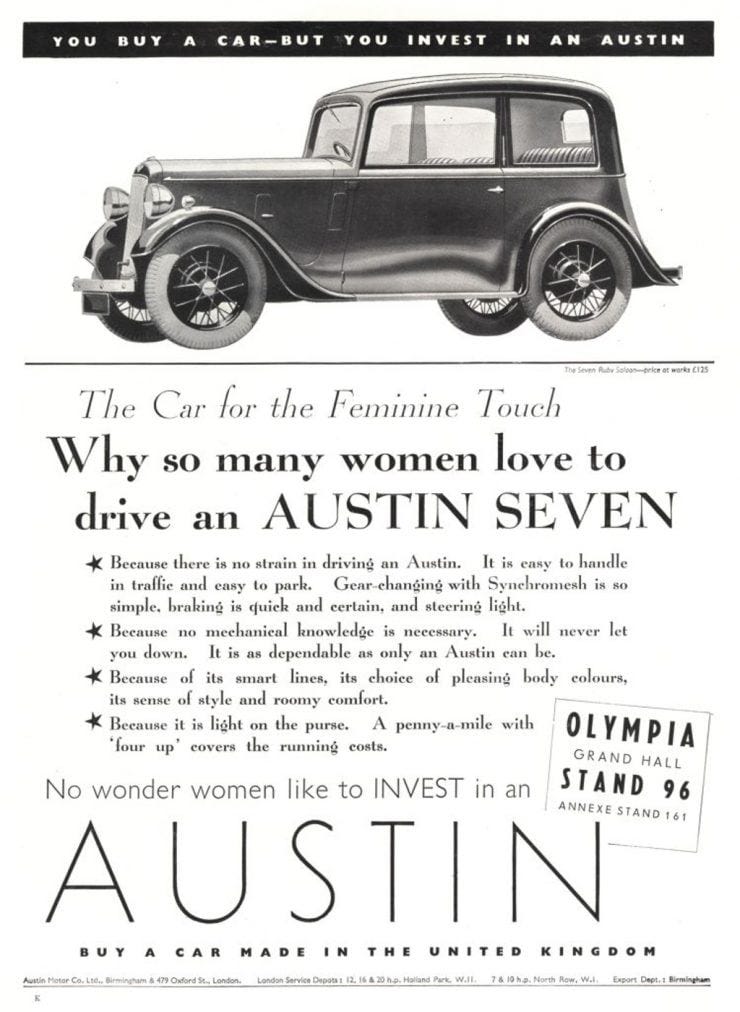
Seeing the potential of the Austin Seven has me rethinking how to approach Sped and turn it into a powerhouse. It doesn’t have to be the first Substack blog with a focus on cars, but it could become the biggest.
Technically, the Austin Seven was not the first car to feature the transmission layout of modern cars – that goes to Cadillac, of all things – but that doesn’t mean it had a lesser impact. A ballpark of 300,000 units were produced under the original name. That doesn’t take into account how many BMWs, Jaguars, Lotus, Jeeps, Holdens, Datsuns, and coachbuilt cars were built along the way. So far, the number I’m seeing in my research on the Seven’s descendents approaches half a million.
That pales in comparison to the number of Model Ts Ford built in the Progressive era, 15 million in all. The Model T, however, featured complicated controls meaning the Austin Seven’s impact was just as great on a global scale.
So I feel it deserving to be the vehicle of Sped going forward, because of the potential it brought to a world that hadn’t even seen the first computer. Now that the world is full of computers, there is a social movement to place less emphasis on emerging technologies for our own well-being. This translates into less doom-scrolling, no screen time before bed, offloading apps that take away too much attention from original thought, and lessening distractions – a point that sees too many consequences in traffic collisions. Screens in cars suck, contributing to the increasing age of cars on the road because they’re just not all up to snuff.
Being a digital nomad is the way to go. You can use tech in a way that’s beneficial with none of the downsides, forging the way back to human connection. That’s the end goal of Sped.
So for my thirtieth year round the sun, the goal is an ambitiously small goal of 1,000 subscribers. The earliest part of growth is always the hardest before it too, like the Austin Seven, will spur a snowball effect. That seems like good motivation, innit?
So share with your friends, your family, your barber, your non-denominational priest, all is well to help propel Sped to greatness. Let’s go to work.
-TA
Images: Silodrome